
Canadian Sphynx
A breed whose hairlessness is a natural part of its origin
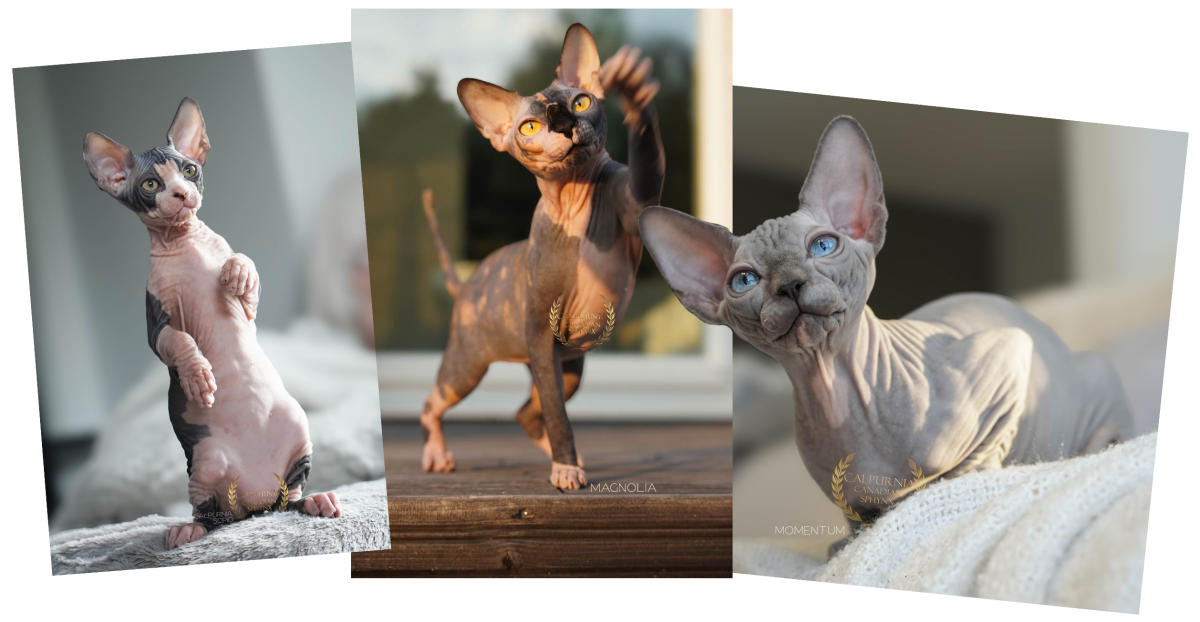
The hairlessness of the Canadian Sphynx is not a trait created by humans, but the result of a naturally occurring genetic mutation. Therefore, the history of the breed is also the story of how this natural characteristic was recognized, understood, and responsibly preserved through careful breeding.
The Origins of the Canadian Sphynx and the Genetic Basis of Hairlessness
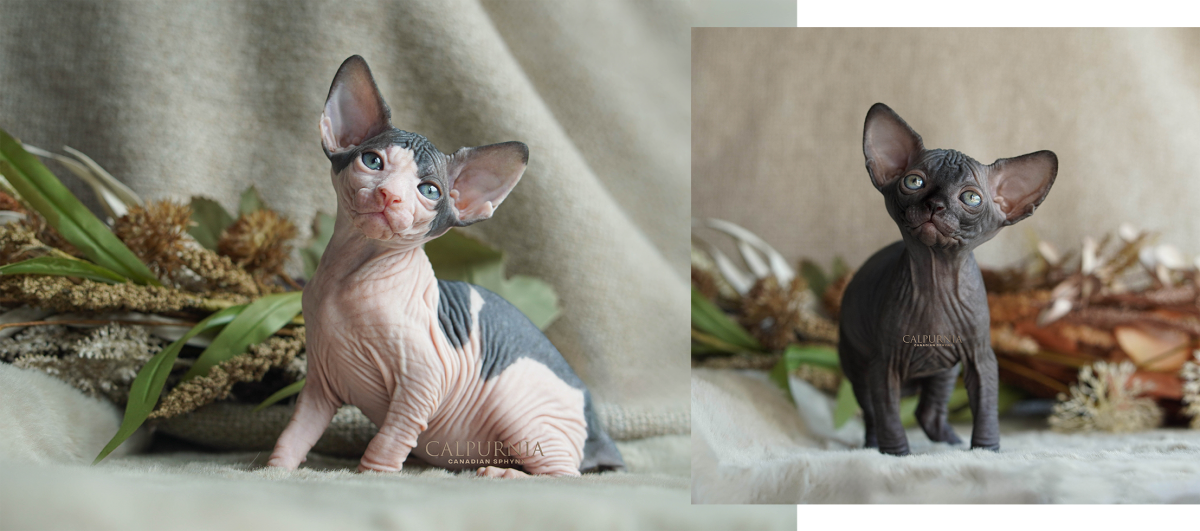
The Canadian Sphynx originated in 1966 in Toronto, when a domestic cat gave birth to a hairless kitten named Prune as the result of a natural genetic mutation. This kitten, along with other naturally hairless cats, formed the foundation of the breed on which systematic breeding efforts were established (FIFe).
Hairlessness is a trait resulting from a spontaneous, naturally occurring mutation caused by an autosomal recessive change in the KRT71 gene. This mutation produces the breed’s characteristic near-total lack of coat, distinguishing the Canadian Sphynx from other breeds with sparse hair. The genetic basis of hairlessness was later identified in a study that confirmed the breed’s natural origin and the importance of responsible breeding practices (Gandolfi et al., 2010).
Fun Fact
One of the world’s oldest cats was the hairless Granpa Rexs Allen, who lived an astonishing 34 years and 2 months (February 1, 1964 – April 1, 1998).
Granpa Rexs Allen was reportedly recognized by the Guinness World Records in 1998 as the oldest living (or possibly the oldest ever recorded) cat before the record was later surpassed by another feline.
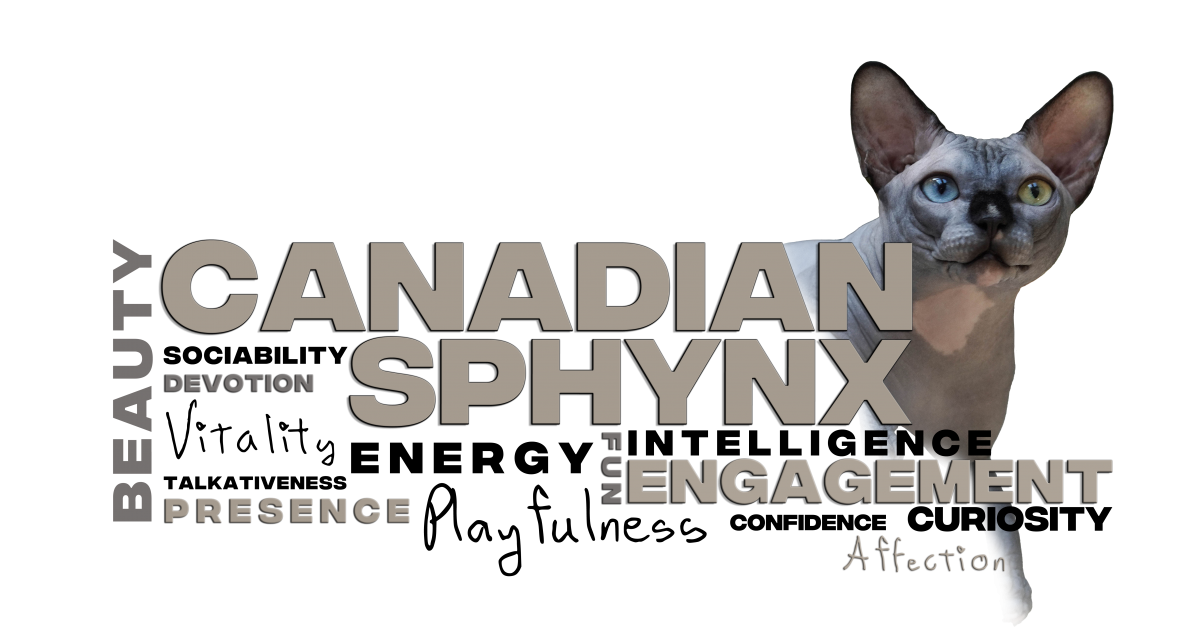
Canadian Sphynx – A Breed of Presence and Interaction
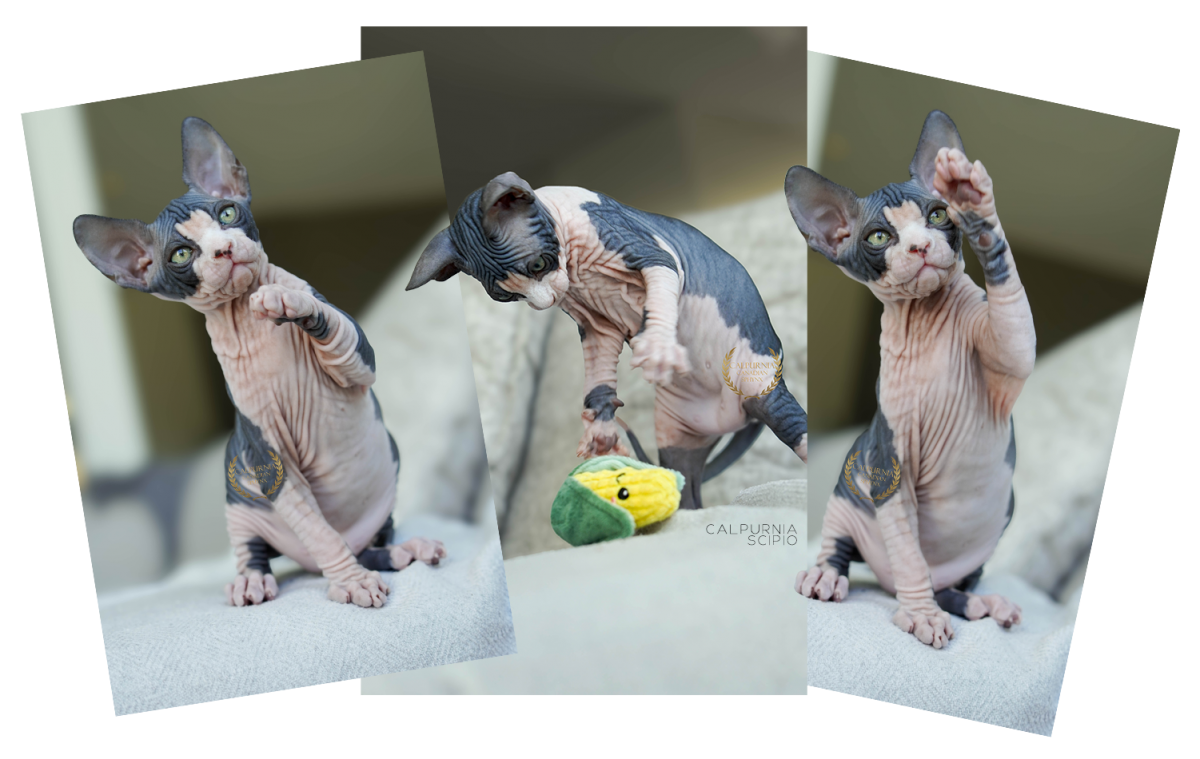
The Canadian Sphynx is an intelligent, social, and active indoor cat. The breed is strongly human-oriented: it seeks company, stays close, and forms a deep, trusting bond with its owner. Its presence is both physical and emotional, and it takes genuine interest in everyday life around it.
The Sphynx is closely involved in family life. It follows from room to room, stays within reach, and expresses itself openly, often vocally. The breed’s energy is warm, direct, and often intense.
Its intelligence shows in its ability to learn quickly and its willingness to participate. The Sphynx easily adopts routines, responds sensitively to its surroundings, and enjoys shared activities. Interaction, play, and an active daily life are important for its well-being. The breed often shows a clear desire to please, which is why it is sometimes described as dog-like.
The uniqueness of the Canadian Sphynx lies above all in the way it bonds with its human. It requires regular interaction, companionship, and everyday connection in order to thrive.
The Sphynx is closely involved in family life. It follows from room to room, stays within reach, and expresses itself openly, often vocally. The breed’s energy is warm, direct, and often intense.
Its intelligence shows in its ability to learn quickly and its willingness to participate. The Sphynx easily adopts routines, responds sensitively to its surroundings, and enjoys shared activities. Interaction, play, and an active daily life are important for its well-being. The breed often shows a clear desire to please, which is why it is sometimes described as dog-like.
The uniqueness of the Canadian Sphynx lies above all in the way it bonds with its human. It requires regular interaction, companionship, and everyday connection in order to thrive.
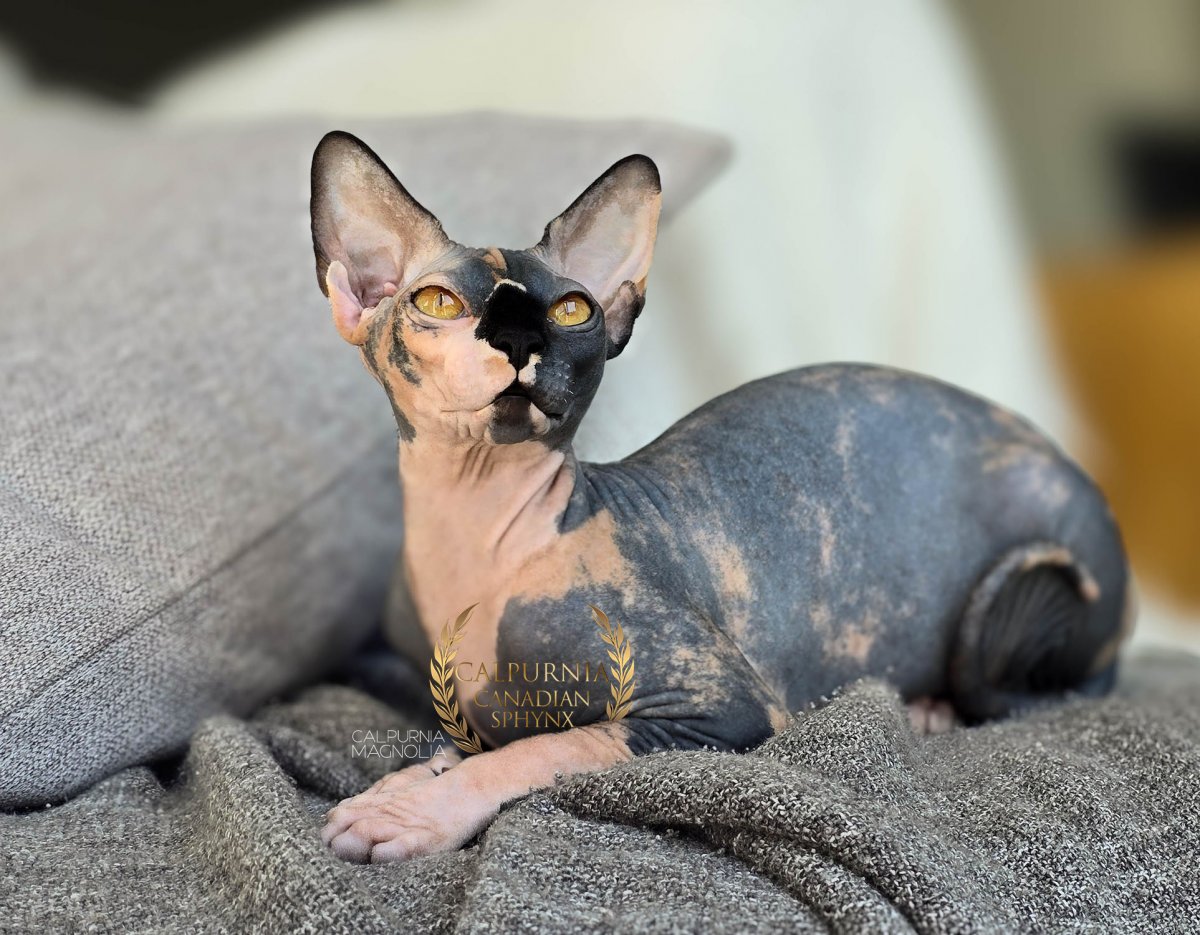
According to scientific evidence, hairlessness itself is not associated with the breed’s morbidity or lifespan. Its effects are primarily related to environmental conditions and care practices rather than genetic predisposition. Hairlessness is a physiological trait that does not diminish the breed’s vitality but requires proper care and environmental adaptation from the owner.
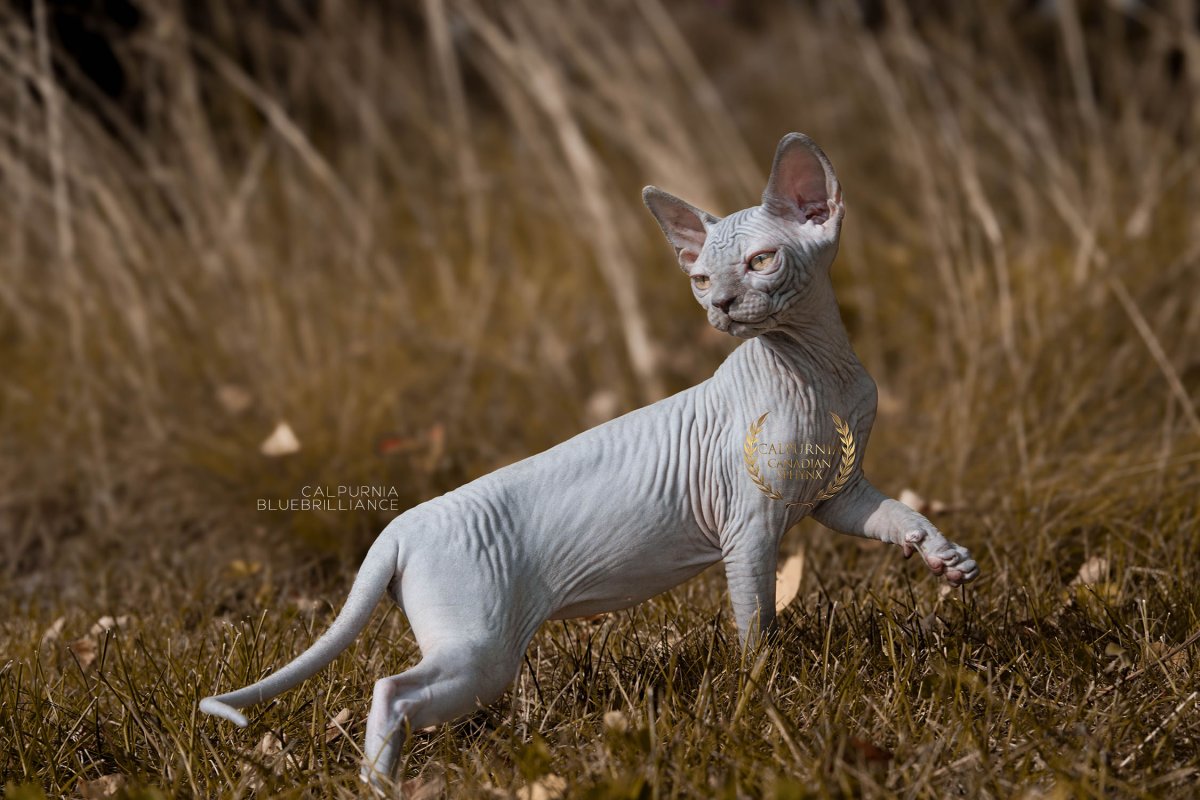
Hairlessness affects the cat’s thermoregulation and skin’s protective capacity. Without a coat, the Canadian Sphynx loses body heat more quickly than an ordinary cat and therefore needs a warm, draft-free living environment. Hairlessness increases energy requirements, so nutrition must support the cat’s energy balance. The absence of whiskers may slightly reduce tactile sensitivity, but the breed compensates through enhanced use of other senses—particularly sight and smell—without affecting its adaptability in a home environment (Gandolfi et al., 2010).
Hairlessness affects the cat’s thermoregulation and skin’s protective capacity. Without a coat, the Canadian Sphynx loses body heat more quickly than an ordinary cat and therefore needs a warm, draft-free living environment. Hairlessness increases energy requirements, so nutrition must support the cat’s energy balance. The absence of whiskers may slightly reduce tactile sensitivity, but the breed compensates through enhanced use of other senses—particularly sight and smell—without affecting its adaptability in a home environment (Gandolfi et al., 2010).
Does Hairlessness Affect a Cat’s Health?
Sphynx care
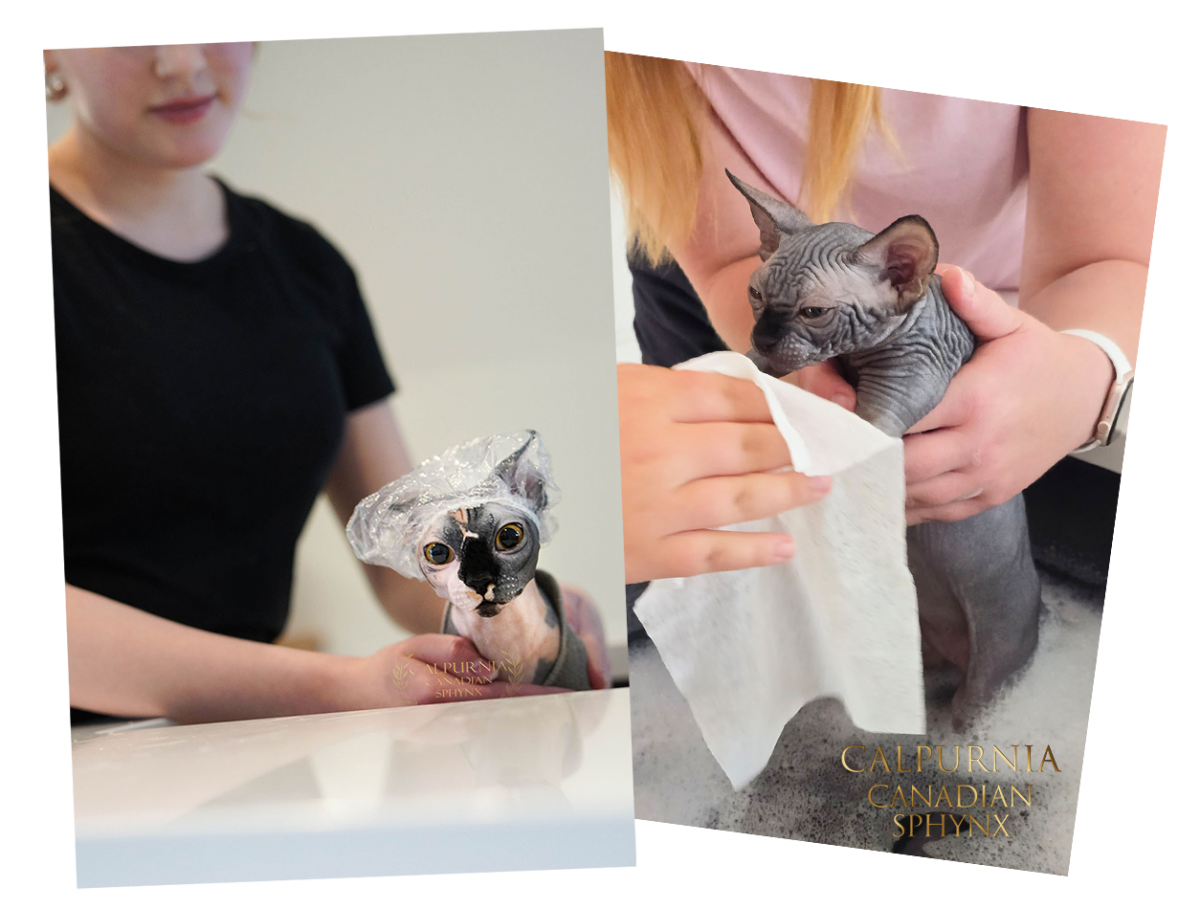
The hairlessness itself requires regular grooming, which may make the Canadian Sphynx a more laborious breed than traditional cats. The thin, downy coat of the sphynx is not sufficient to absorb the oil secreted from the skin and saliva, which means that the cat must be bathed regularly.
Sometimes the sphynx may have retained its cat instinct and doesn't tolerate bathing, thus emphasizing the role of the breeder in the cat's infancy. The kitten should be accustomed to grooming. In a new home, regular grooming, such as bathing, should be continued to establish the habit. The amount of bathing will depend on the cat's skin condition, diet, and the owner's preferences.
Sometimes the sphynx may have retained its cat instinct and doesn't tolerate bathing, thus emphasizing the role of the breeder in the cat's infancy. The kitten should be accustomed to grooming. In a new home, regular grooming, such as bathing, should be continued to establish the habit. The amount of bathing will depend on the cat's skin condition, diet, and the owner's preferences.
About allergising
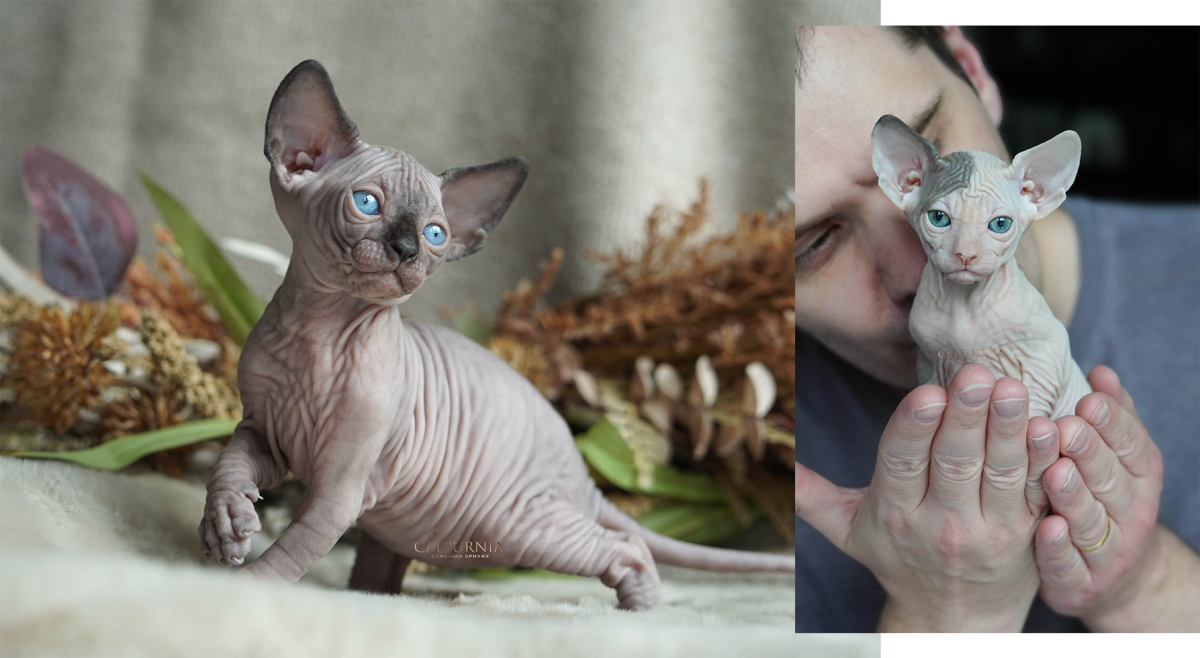
Cats produce numerous proteins, including Fel d1 protein, which has been identified as the main cat allergen. Fel d1 protein is mainly produced in cats saliva and in the sebaceous glands of the skin. The protein causes an allergic or asthmatic response in sensitive humans.
Fel d1 protein levels in cats and human sensitivity to feline allergens are individual. The Canadian Sphynx is not a hypoallergenic breed and therefore we do not recommend sphynx for an allergic family.
NCBI
Fel d1 protein levels in cats and human sensitivity to feline allergens are individual. The Canadian Sphynx is not a hypoallergenic breed and therefore we do not recommend sphynx for an allergic family.
NCBI

FIFe Breed standard
We follow the FIFe Canadian Sphynx breed standard and the breeding strategy programme developed by Sfinxit ry (Canadian sphynx club of Finland).
Memberships
FIFe – Fédération Internationale Féline
The Finnish Cat Association
Finnish Pedigree Cat Association
Canadian sphynx club of Finland
The Finnish Cat Association
Finnish Pedigree Cat Association
Canadian sphynx club of Finland